Our People
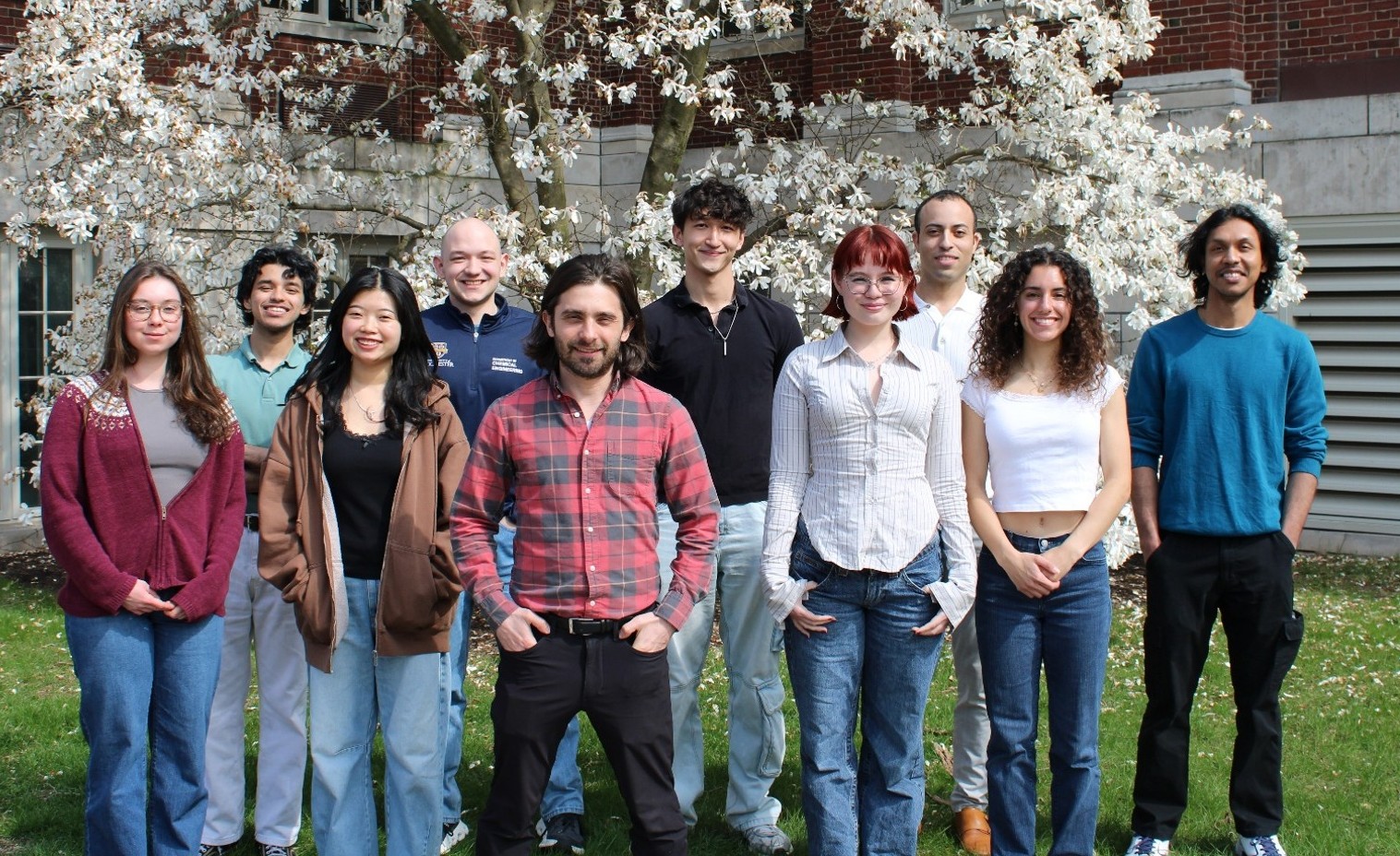
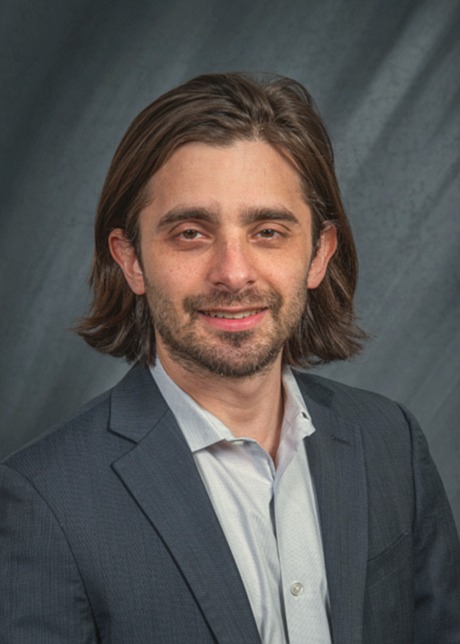
Prof. Porosoff received his B.S. (2009) and M.S. (2010) in Chemical and Biomolecular Engineering from Johns Hopkins University, and his Ph.D. in Chemical Engineering from Columbia University in 2015, where his thesis focused on developing catalysts for carbon dioxide conversion. He then served as a National Research Council-sponsored postdoctoral fellow at the Naval Research Laboratory on the "Seawater to Fuel" project.
At Rochester, his group pioneered catalyst development for CO₂ conversion and is now at the forefront of integrating large language models and pulsed Joule heating into materials discovery. His work spans fundamental catalysis, in situ spectroscopy, and AI-guided experimentation. In 2026 he was appointed to the Early Career Board of EES Catalysis (Royal Society of Chemistry).
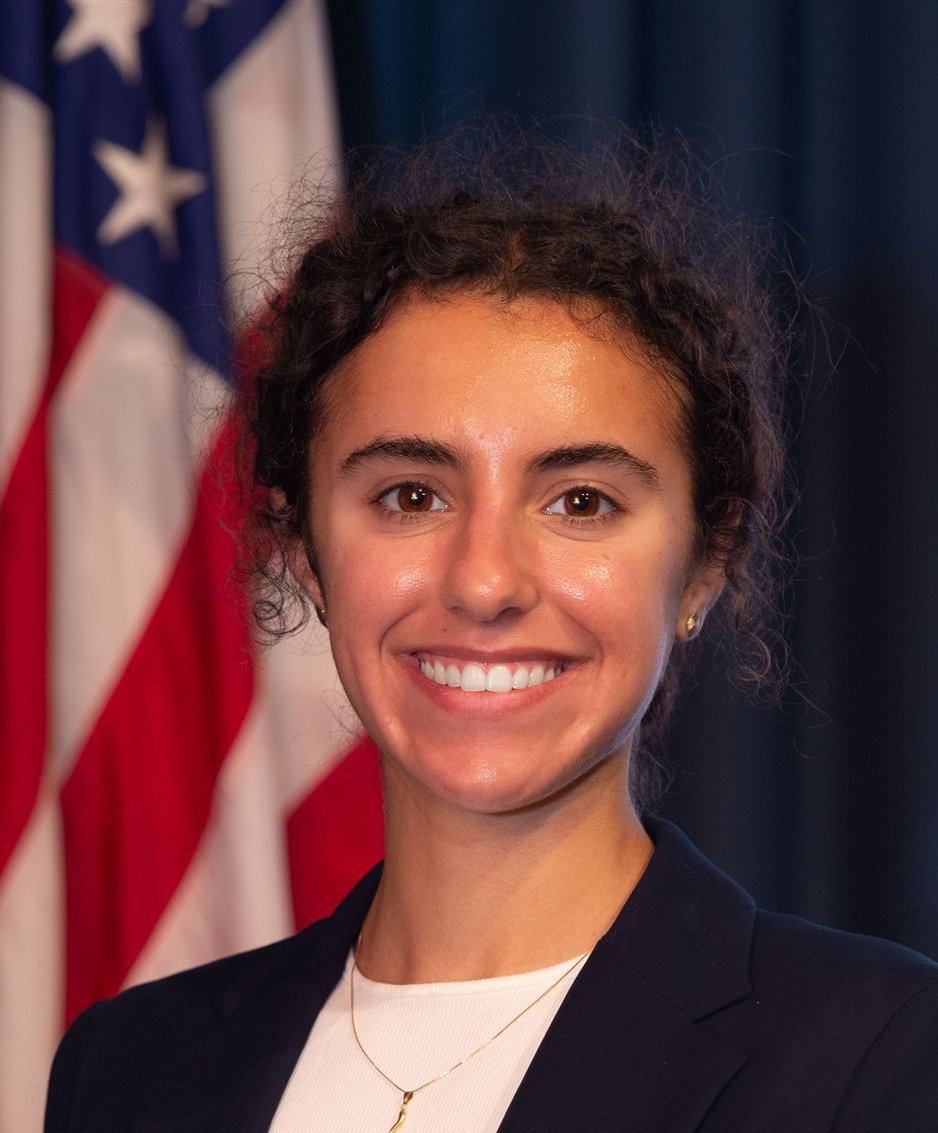
Chemical Engineering B.S., Materials Science and Business Minors, Class of 2027. The motivation to increase global energy supply through waste utilization drives her research interests, which include a systems level engineering approach to reactor design and techno-economic analysis. Currently, Eva is working on methods to optimize the synthesis of polymorphous metal carbide catalysts for the reverse water-gas shift reaction. She is also involved in varsity Track and Field athletics and STEM tutoring at The Learning Center.
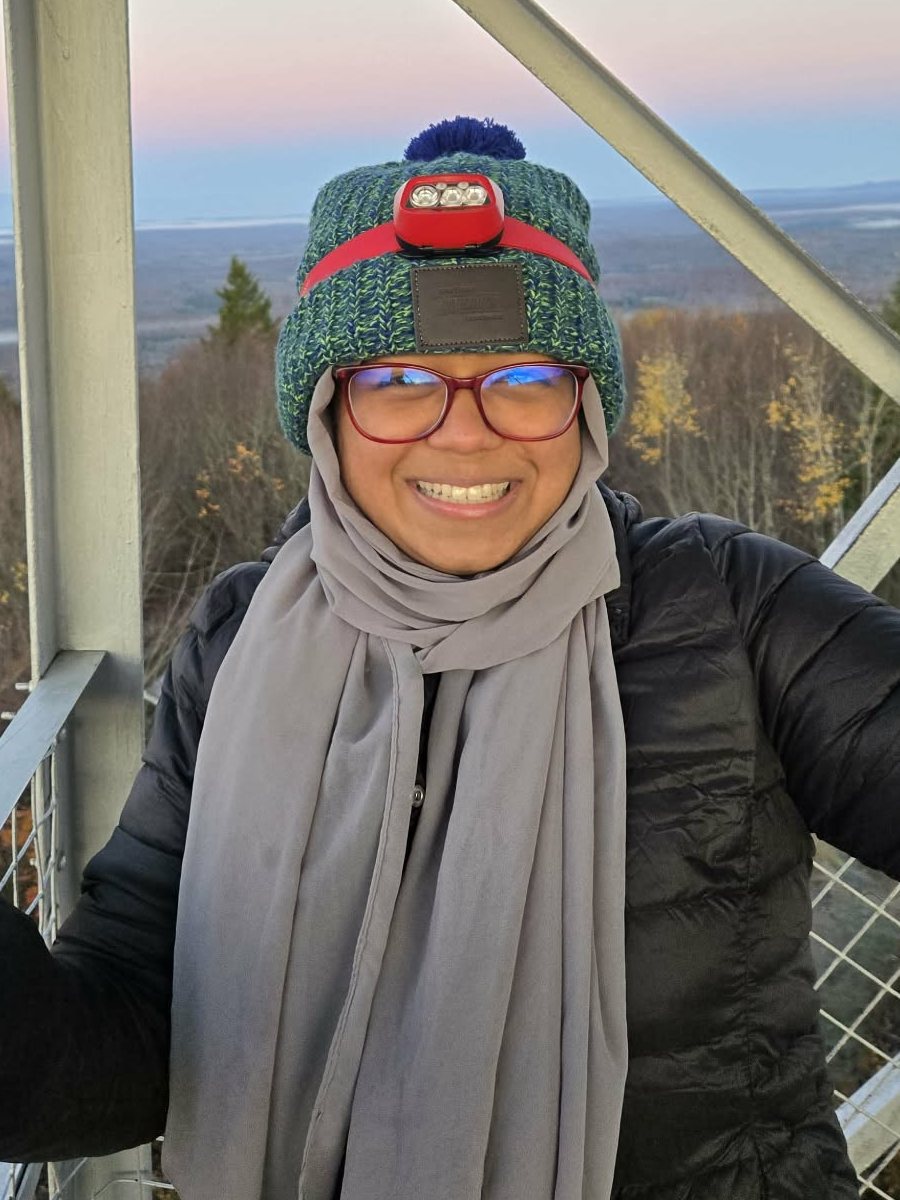
Fawzia Islam Era is from Narsingdi, Bangladesh. She completed her Bachelor's of Science (B.Sc.) degree in chemical engineering with a concentration in biomolecular engineering and a minor in chemistry from Clarkson University, Potsdam, New York in May 2026. She joined the Department of Chemical and Sustainability Engineering at the University of Rochester in Summer 2026 as a PhD student. Her research entails understanding the oxidative coupling of methane through methane combustion to produce valuable products such as ethylene. The application of this research would help in utilizing stranded emissions of natural gas and increase its value. Outside of research, she likes to write young adult fiction, crochet, cooking and baking, and learning new languages.
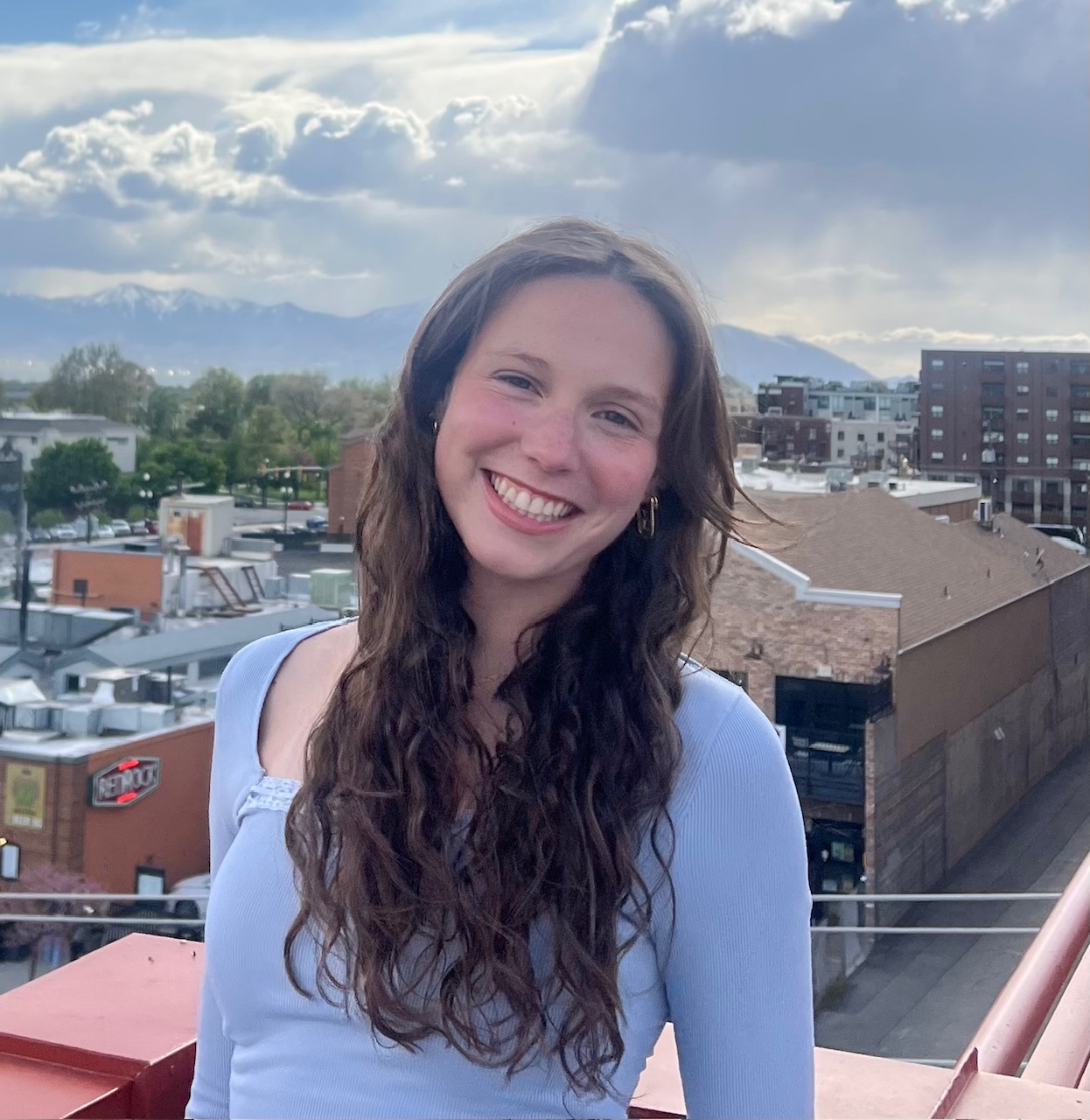
Chemical Engineering, Class of 2029. Research interests include helping fight rising environmental concerns through sustainable processes. Outside of research, I enjoy playing varsity volleyball for the school, doing puzzles, and playing with my pets.

Chemical Engineering, Class of 2029. Interested in sustainable chemistry, catalysis, and carbon utilization, especially in finding ways to make chemical processes cleaner and more sustainable. Currently working on tungsten carbide catalysts for CO₂ conversion through the reverse water–gas shift reaction, investigating how synthesis conditions and Joule heating methods influence tungsten carbide phase formation on carbon fiber paper supports. Work includes catalyst synthesis, thermal treatments, and structural analysis. Growing up between France and Singapore exposed her to different environmental challenges, which strongly shaped her interest in this area of research.

Shane Michtavy conducted undergraduate research at Cornell University and Brookhaven National Laboratory (BNL), where he first developed an interest in AI-driven catalyst design. He is completing his PhD in Chemical Engineering through the DOE SCGSR program at BNL's National Synchrotron Light Source II (NSLS-II), advised by beamline scientist Dominik Wierzbicki and Professors Marc D. Porosoff and Andrew D. White at the University of Rochester. His research leverages Bayesian optimization and natural language processing to guide crystal phase selection for CO₂ valorization.
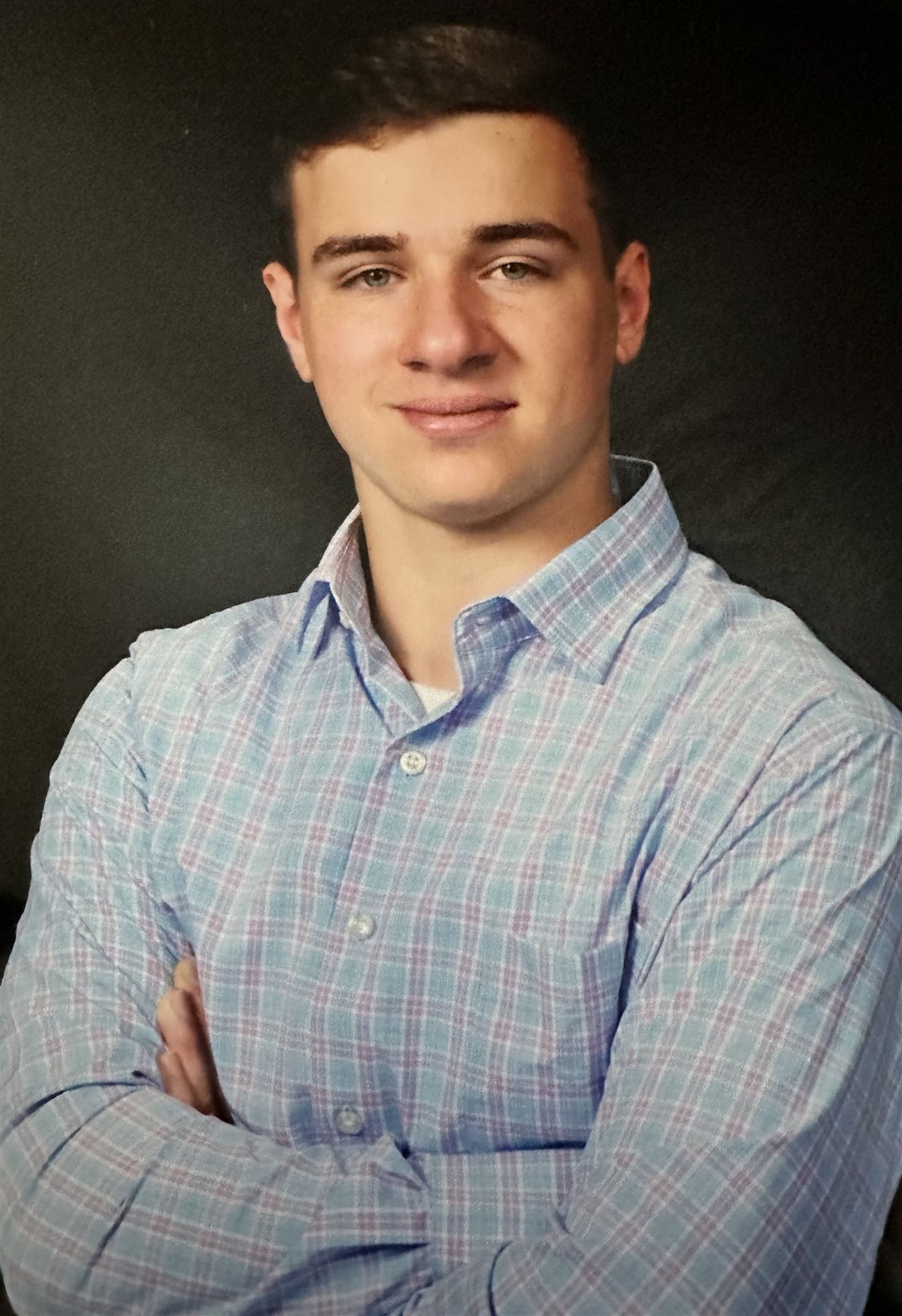
Chemical Engineering, Class of 2028. Interests include physical/quantum chemistry, renewable energy design, hydrogen production, and making current widespread industrial chemical reactions more sustainable. Currently involved with gathering synthesis data for training an AI model on isolating particular phases of tungsten carbide. The aim is to develop phases of tungsten carbide that are useful for CO₂ conversion via the reverse water-gas shift reaction. Outside of research, I enjoy playing tennis and golf, reading, and going to the gym.
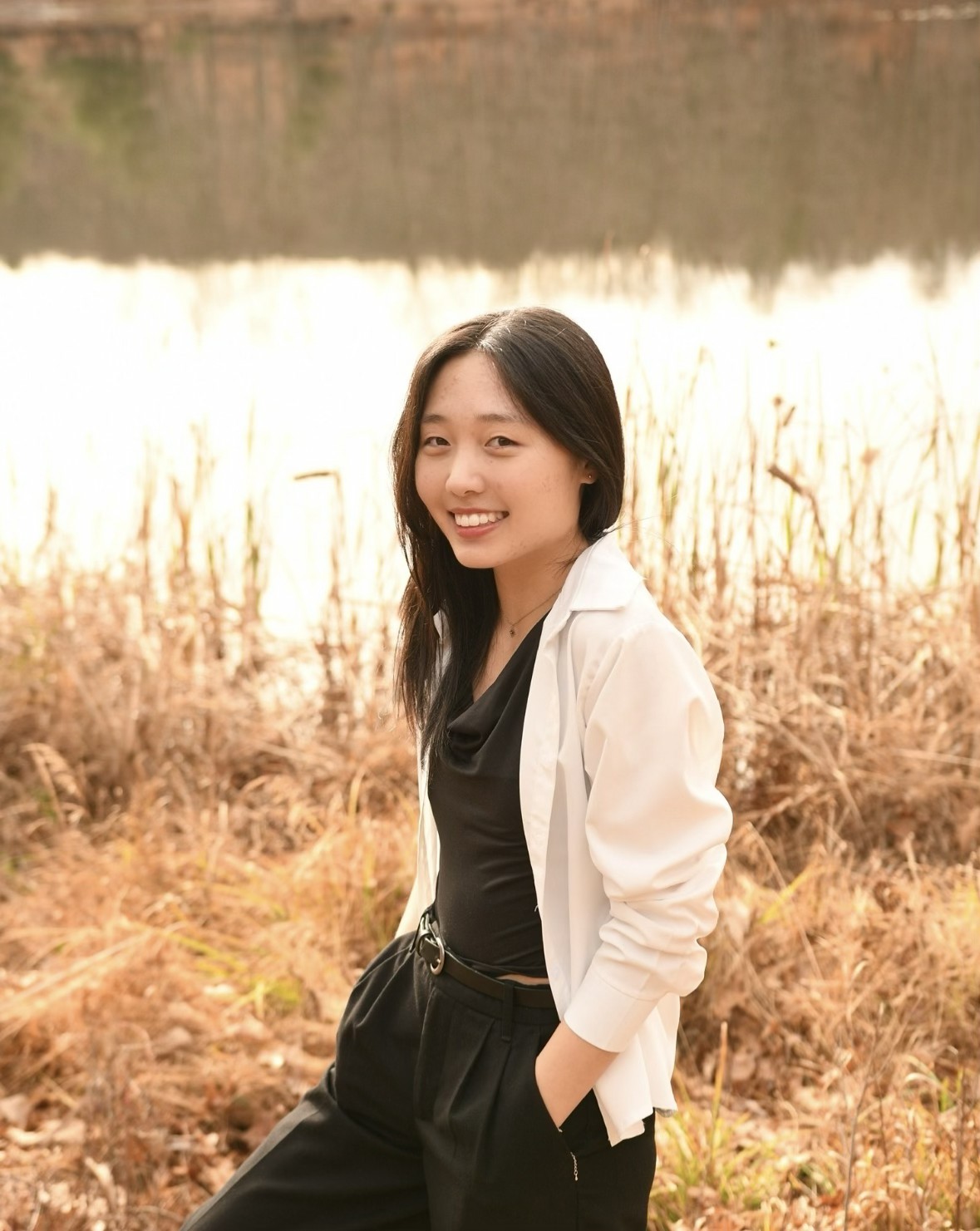
Chemical Engineering, Class of 2029. Research interests and bio coming soon.
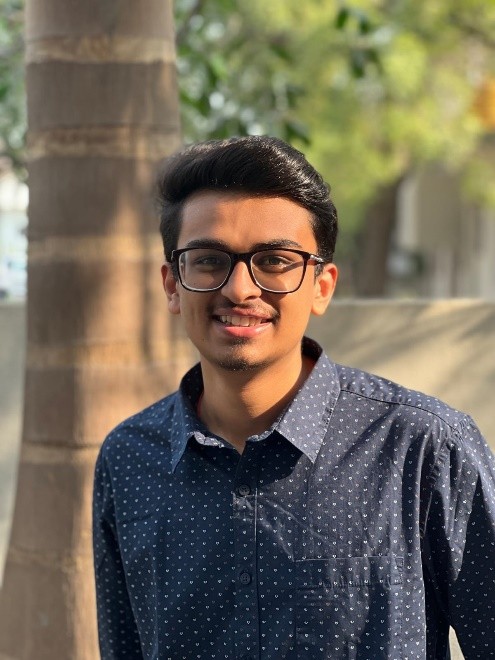
Devansh Pathak is from Nashik, Maharashtra, India. He completed his Integrated Master’s in Chemical Engineering from the Institute of Chemical Technology (ICT), Mumbai – Marathwada Campus, Jalna in 2025. He joined the Department of Chemical and Sustainability Engineering at the University of Rochester in Fall 2025 as a PhD student. Devansh’s research focuses on process electrification for catalyst synthesis using Joule heating reactors. Specifically, he works on developing methods to synthesize tungsten carbide (W2C) phases on carbon fiber paper (CFP) through rapid resistive heating. This work aims to enable energy-efficient synthesis of catalytically active carbide materials, particularly the β-W2C phase, which shows promise for CO2 conversion and other energy-related catalytic applications. Outside of research, Devansh enjoys watching sports, reading, playing video games, and going for walks.
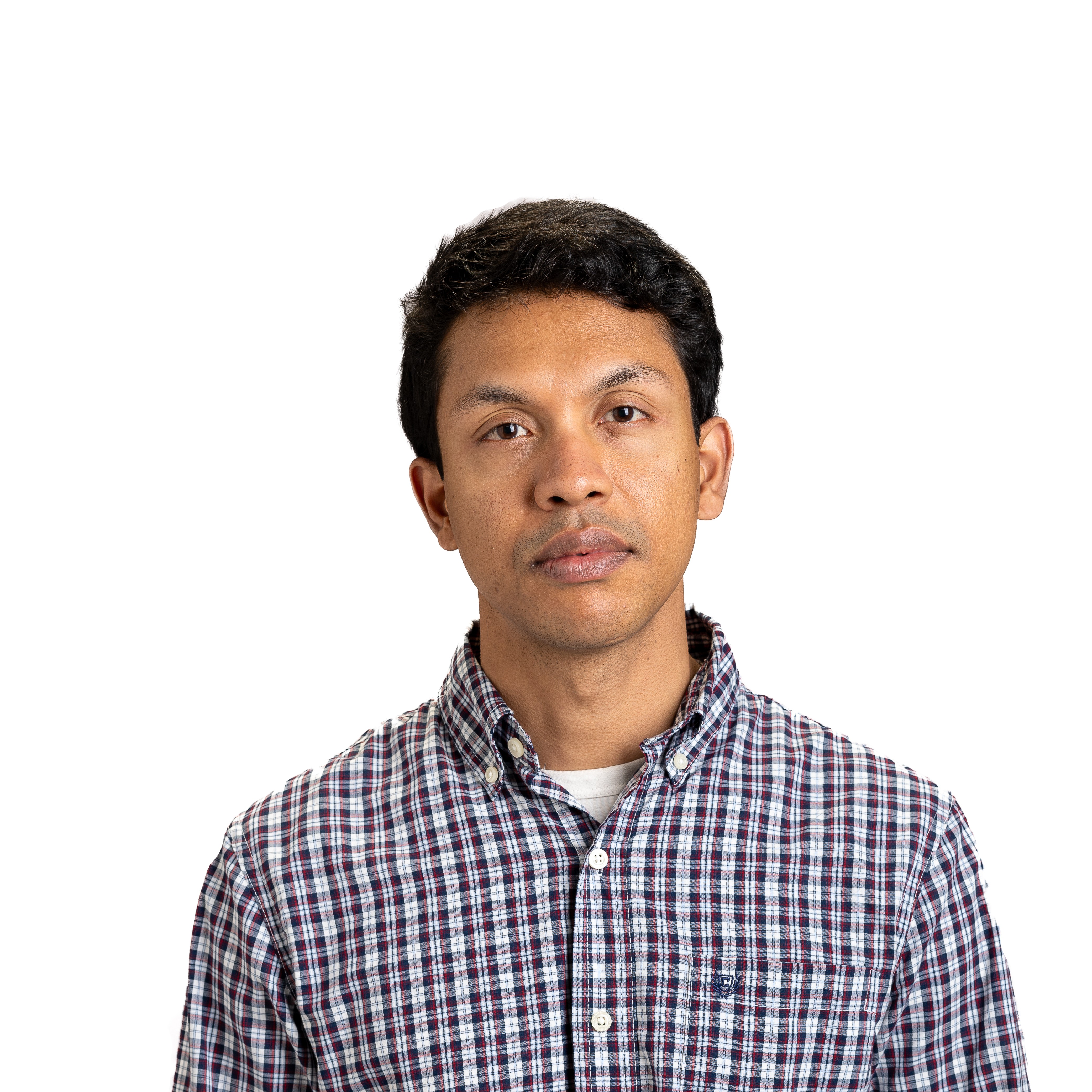
Sinhara Perera received his B.S. (Honors) in Chemical and Process Engineering and M.S. in Sustainable Process Engineering, University of Moratuwa. Prior industrial experience includes polymer product and process design, wastewater and effluent treatment, and enterprise resource planning (ERP). Joined the UR in 2022. His research focuses on catalyst design for the conversion of C₁–C₂ species to value-added products and reaction mechanisms, and in situ thermal profiling of catalysts.
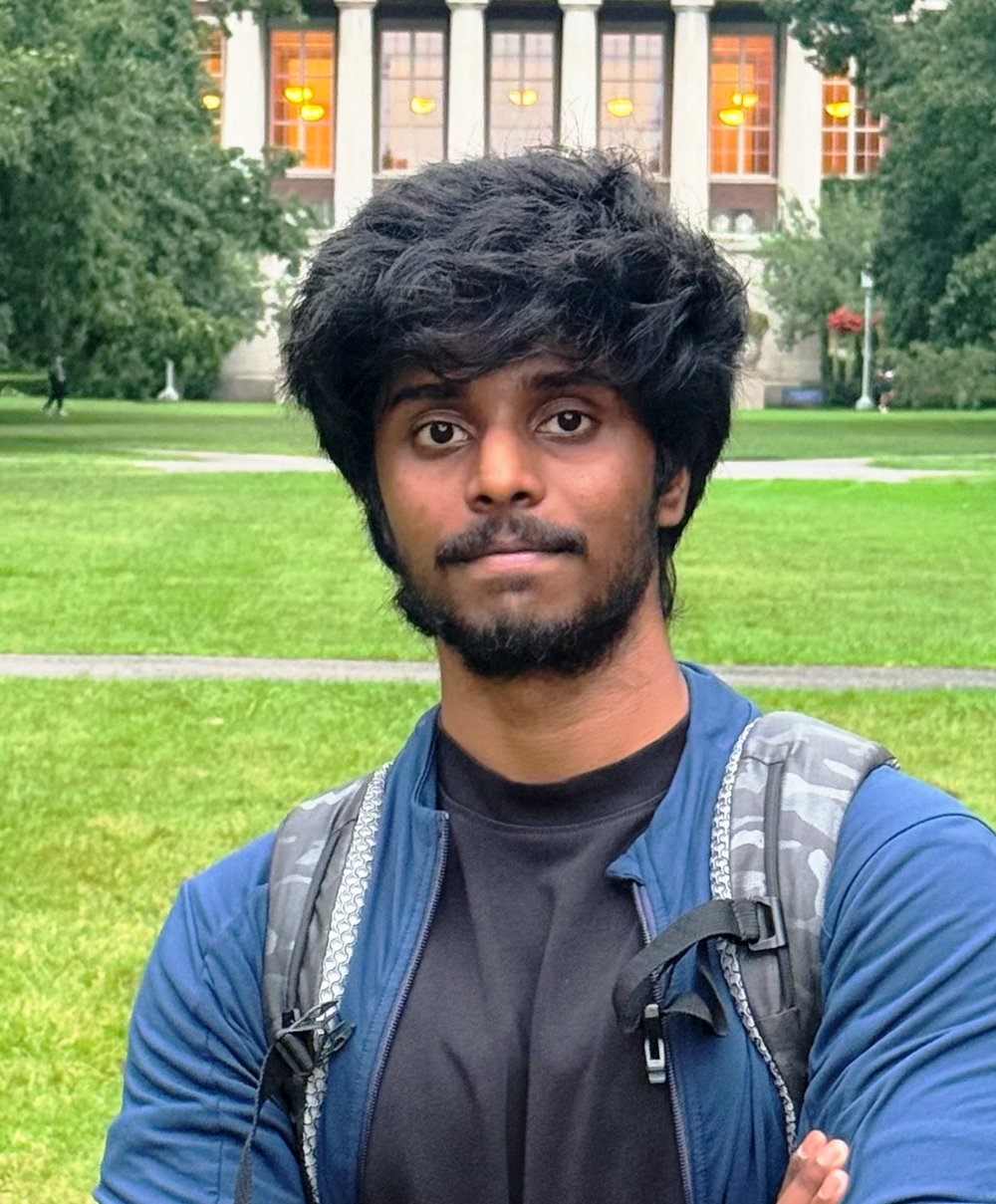
Karthik Rajendran is from Chennai, Tamil Nadu, India. He earned his B.Tech. in Chemical Engineering from SRM Institute of Science and Technology in 2023. Following his undergraduate studies, he joined the Indian Institute of Technology Madras as a Project Associate, where he worked on hydrodynamic and liquid phase mixing studies of bubble column reactors. He then pursued an M.S. in Chemical Engineering at the University of Southern California, where he developed a deeper interest in carbon capture and utilization, catalysis, and Joule-heated reactors. He graduated in 2026 and joined the University of Rochester in Fall 2026 as a PhD student in Chemical Engineering. His current research focuses on leveraging microthermometry to thermally couple tandem reactions, with an emphasis on understanding and controlling heat transfer in coupled catalytic processes. Beyond his research, he enjoys experimenting in the kitchen and wildlife photography.
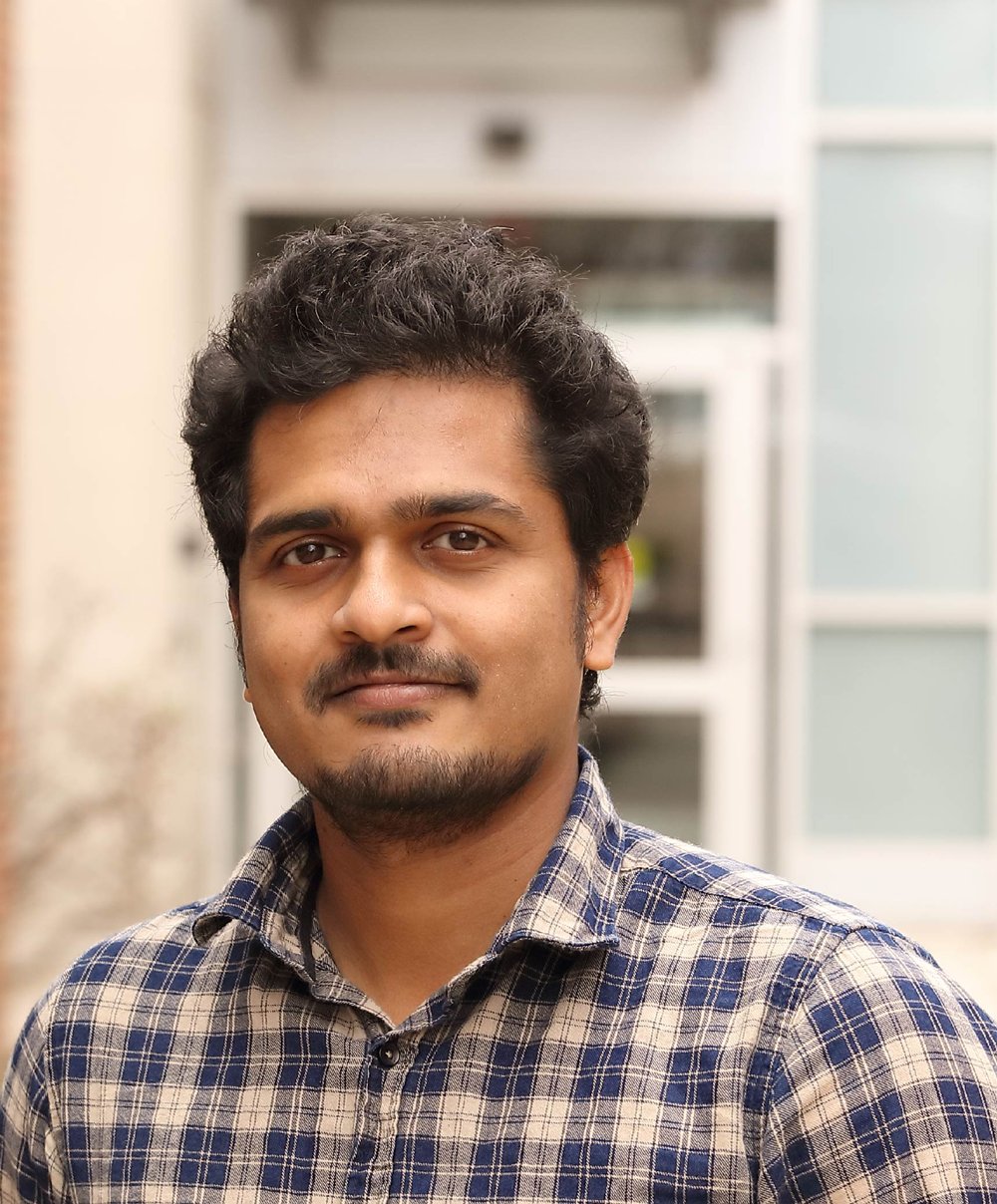
Asanka Wijerathne received his B.S. in Chemical and Process Engineering from the University of Peradeniya, Sri Lanka. Then he joined the Paolucci group at the University of Virginia in the fall of 2019. He earned his PhD in 2024, focusing on computational catalysis and materials discovery, specifically metal-exchanged zeolites and oxide-supported metal catalysts. Asanka joined UR in 2026 Fall as a postdoctoral associate and is working on the ARPA-E CATALYST project, focusing on high-throughput catalyst discovery using AI. Aside from research, Asanka enjoys reading, watching movies, and playing chess.
Graduate Students & Postdocs
Undergraduate Students
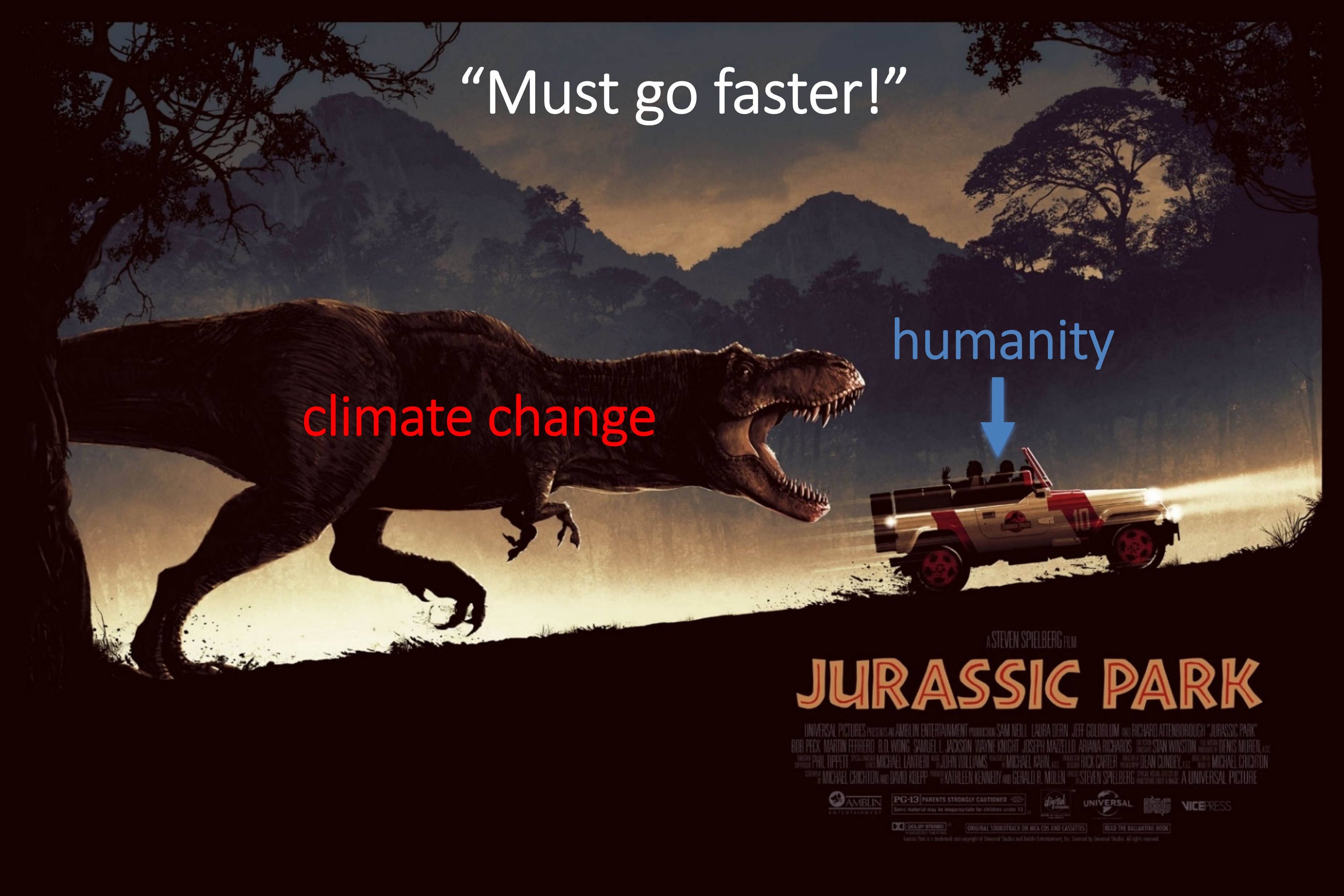
The urgency is real. We're working on it.